

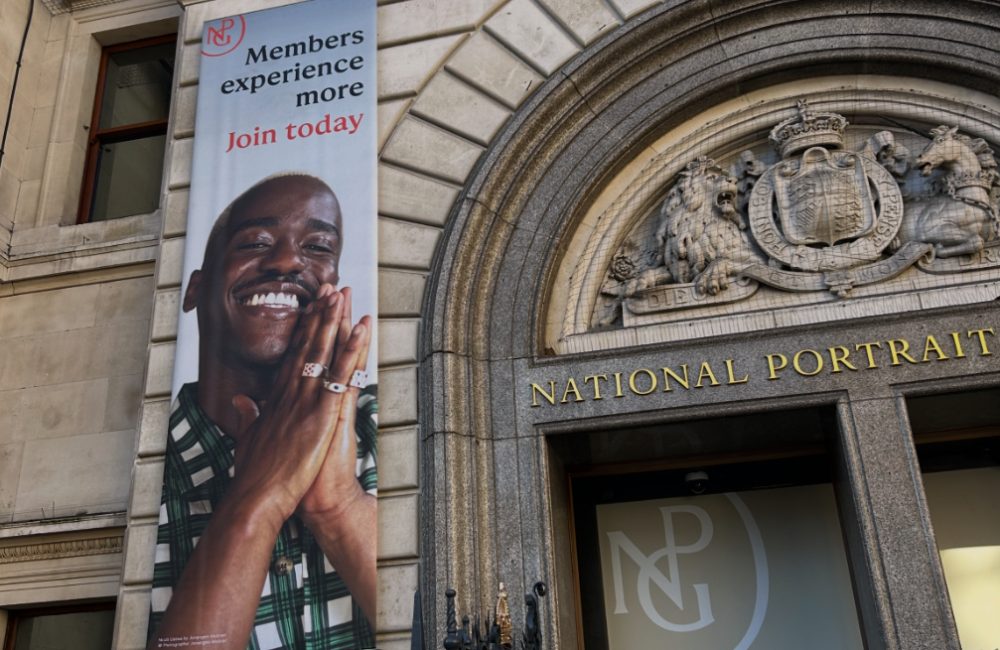

The Taylor Wessing Prize @ The National Portrait Gallery
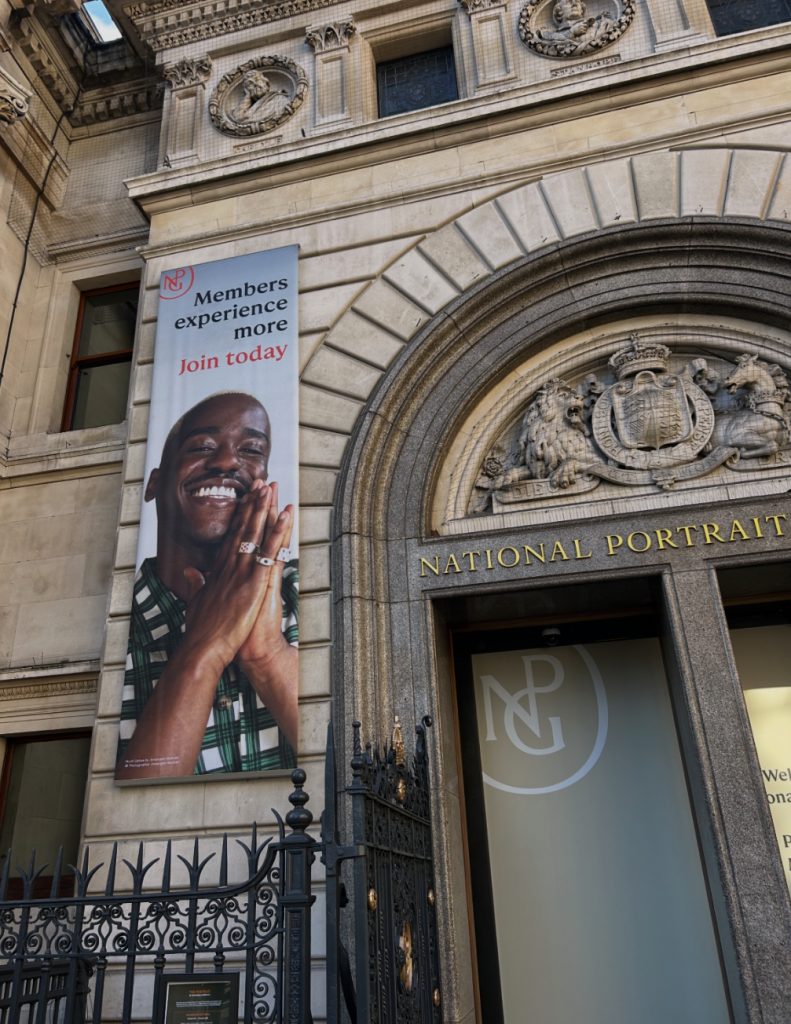
I went to see the Taylor Wessing Photography Prize at at the National Gallery, a yearly exhibition that showcases the best of contemporary photography.
The Judges (shall we deep dive?)
Photographer, Sunil Gupta: I saw some of the photography from his ‘Exiles’ series at the The Imaginary Institution of India exhibition at the Barbican earlier this year and even have a postcard of one of his photographs up in my office.
Sunil was born in India in 1953 and later emigrated to Canada before moving to New York City and then London. In the late 80s he returned to India and took photographs of gay men in front of famous tourist sites, the finished prints were then presented with quotes from the subjects. These photos were made at a time when homosexuality was still illegal in India, homosexual sex was only decriminalised in 2018 (more than 30 years after the pictures were taken.)
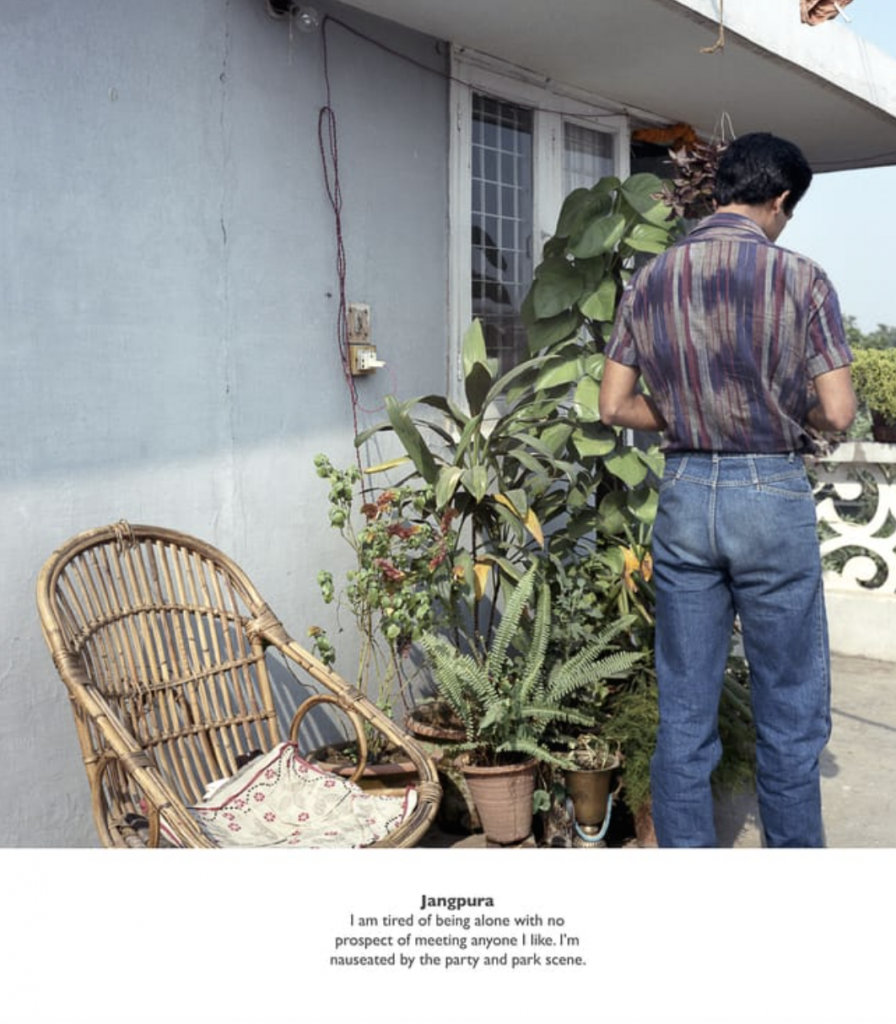
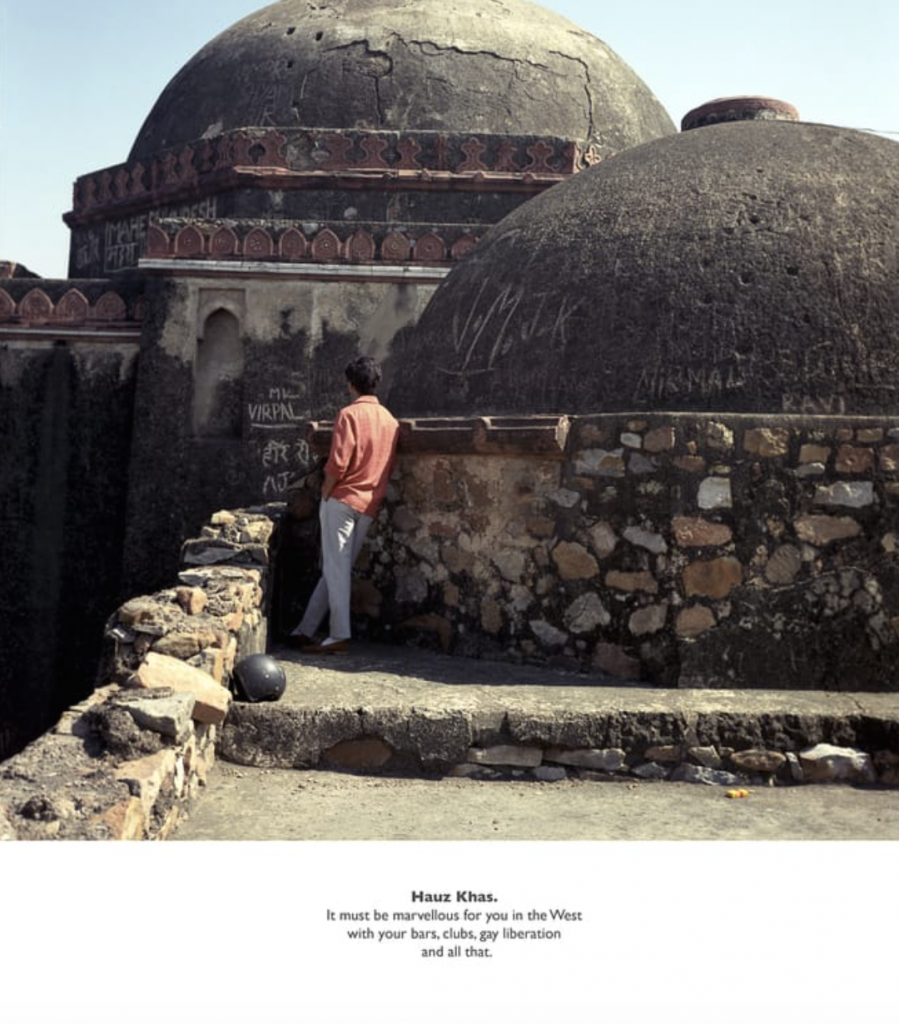
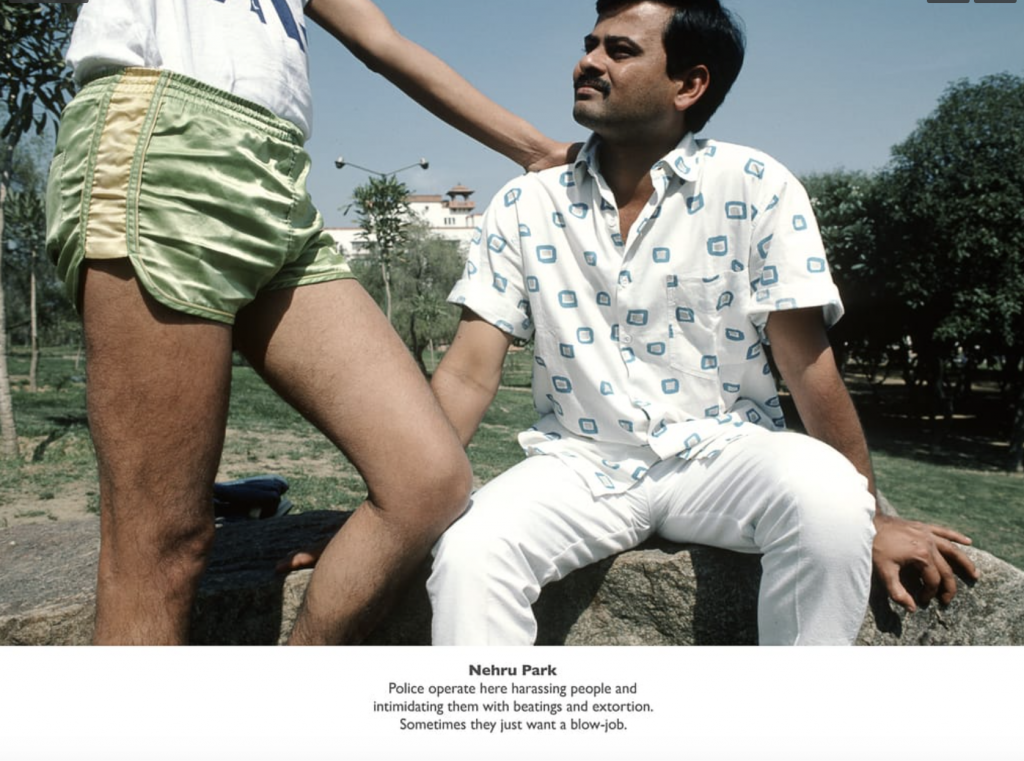
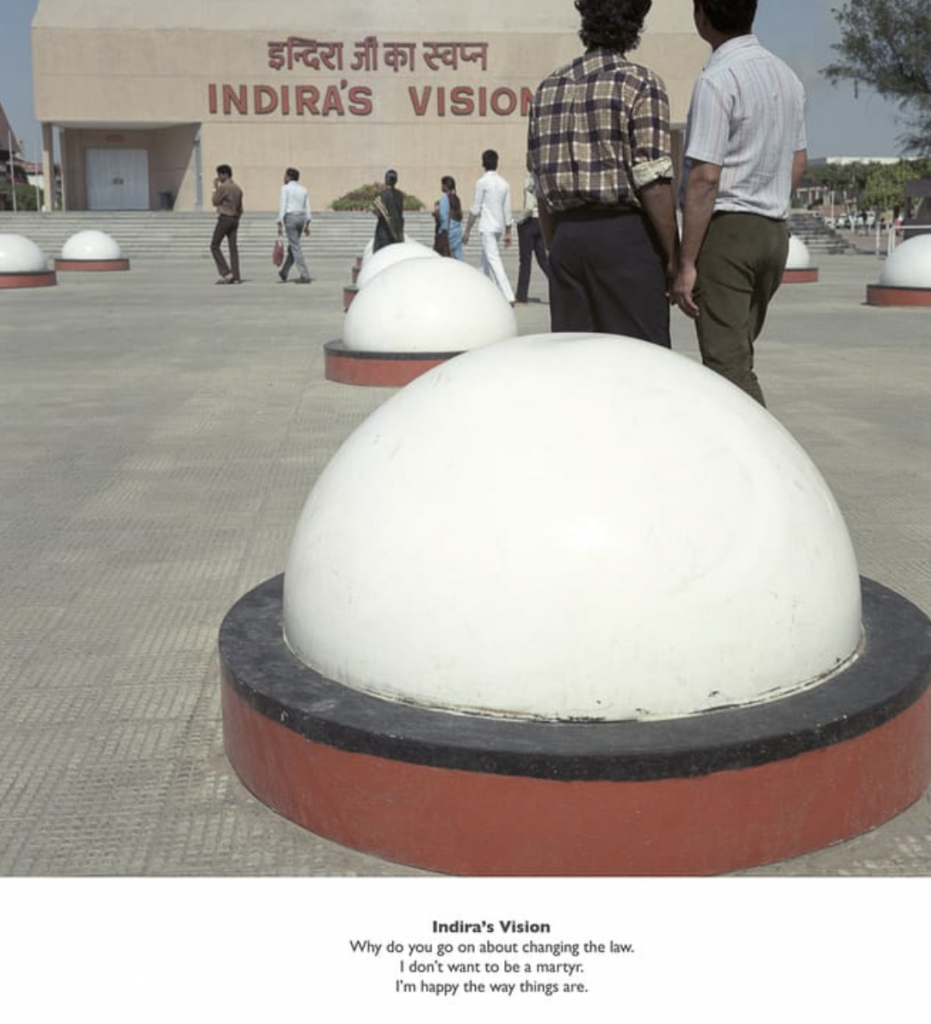
“It had always seemed to me that art history seemed to stop at Greece and never properly dealt with gay issues from another place. Therefore it became imperative to create some images of gay Indian men; they didn’t seem to exist.” Sunil Gupta
Art historian, Katy Hessel was also judging (she’s everywhere at the minute and I think I hate her, probably because we’re a similar age and she’s living my dream life); as well as Senior Curator of Photography at the National Portrait Gallery Sabina Jaskot-Gill; and photographer Tim Walker.

20 mattresses and 1 hot water bottle, England, 2006 by Tim Walker

In the Agony Hole
by Margaux Revol
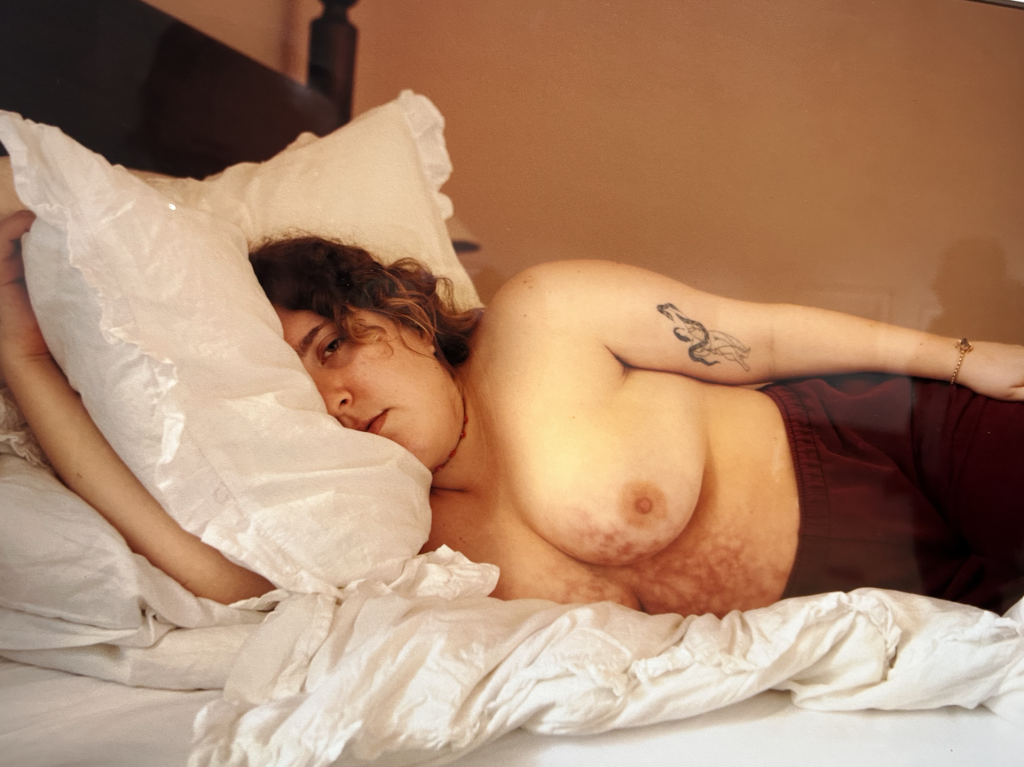
‘‘In the Agony hole’ is a portrait of Augustine on her bed, in one of her many moments of raging endometriosis flare-ups, which she calls ‘pain fugues’ – When her pain is such that it throws her in an agony hole for hours and she can’t engage with anything. On her body, we can see striking burn marks, like fire stains in reds and browns – in her battle to tame the invisible pain, Augustine presses hot water bottles against her body, resulting in those scars, as if her body was leaving its own map of suffering. Although they are not a symptom of endometriosis, they end up visualising the condition in a tangential way, both a ripple effect and an echo of the internal hell of her endometriosis.’
Poem of the Month: The Voice of God by Mary Karr



Leave a Reply